
Knowledge Center
The Descartes CustomsInfo Knowledge Center includes curated articles, reports, and insights on the latest developments in the import compliance regulatory landscape.

Seven Common FTA Mistakes That Put Duty Savings at Risk
The most expensive FTA mistakes usually begin before a certificate is prepared. Learn how to identify and avoid these errors before you submit to Customs authorities.

Customs Enforcement in 2026: U.S. and EU Importer Risks
Learn how customs enforcement is evolving in the United States and European Union, and how stronger trade data, governance and automation can reduce importer risk.

How AI Is Reinventing FTA Qualification for Modern Supply Chains
Free Trade Agreements (FTAs) have long offered companies a powerful way to reduce duties, protect margins, and improve sourcing flexibility. But for many organizations, the reality of using FTAs looks very different.

When AI Classifies Your Goods, Regulators Classify Your AI
AI is already embedded in many organizations and is no longer a future consideration. Today AI is actively supporting trade compliance teams with classification decision from assigning HS codes to assessing whether products fall under dual-use controls.
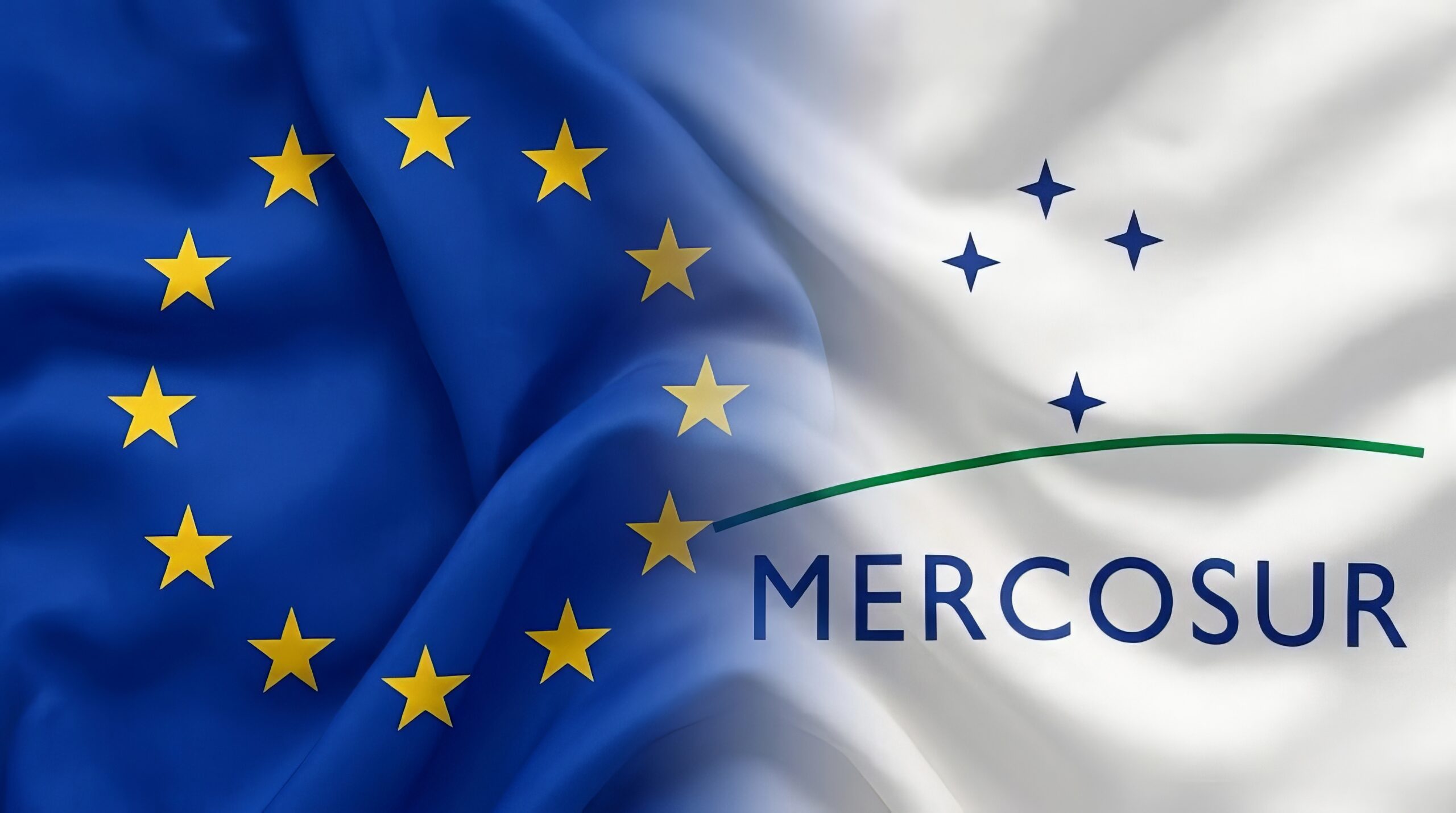
The EU-Mercosur Agreement Is Now Operational. Is your Company Ready?
The EU-Mercosur Interim Trade Agreement is now operational, unlocking major commercial access across Argentina, Brazil, Paraguay, and Uruguay. But capitalizing on lower tariffs and new procurement markets requires more than reading the headlines.

Digital Product Passports: The Quiet Shift That Will Redefine Market Access in the EU
The EU’s Digital Product Passport (DPP) has been introduced under the Ecodesign for Sustainable Products Regulation (ESPR). It is often discussed as a sustainability and transparency initiative but the scale of the shift is rarely mentioned.

War, Tariffs, and Trade Disruption: Why FTZs Are Becoming a Supply Chain Lifeline
The last few years have changed the way many importers think about global trade. Previously predictable costs can now change overnight. With that in mind, more and more companies are looking at Foreign Trade Zones (FTZs) to manage duty costs and create more flexibility when sourcing.

The Tariff Enforcement Question That Cost $549 Million
Regulators are looking beyond what was declared on a customs entry and examining the business activity surrounding a transaction. This represents a meaningful change in trade enforcement.

Why Companies Still Leave Millions in Tariff Savings Untapped Through Free Trade Agreements
Most multinational organizations already operate across markets covered by multiple FTAs. Yet utilization remains inconsistent across industries and trade lanes despite the scale of potential duty savings available.

How U.S. Customs and DOJ Are Identifying High-Risk Importers for Tariff Enforcement
For importers, the most important question is no longer whether tariff enforcement is intensifying. It is how enforcement is actually happening.